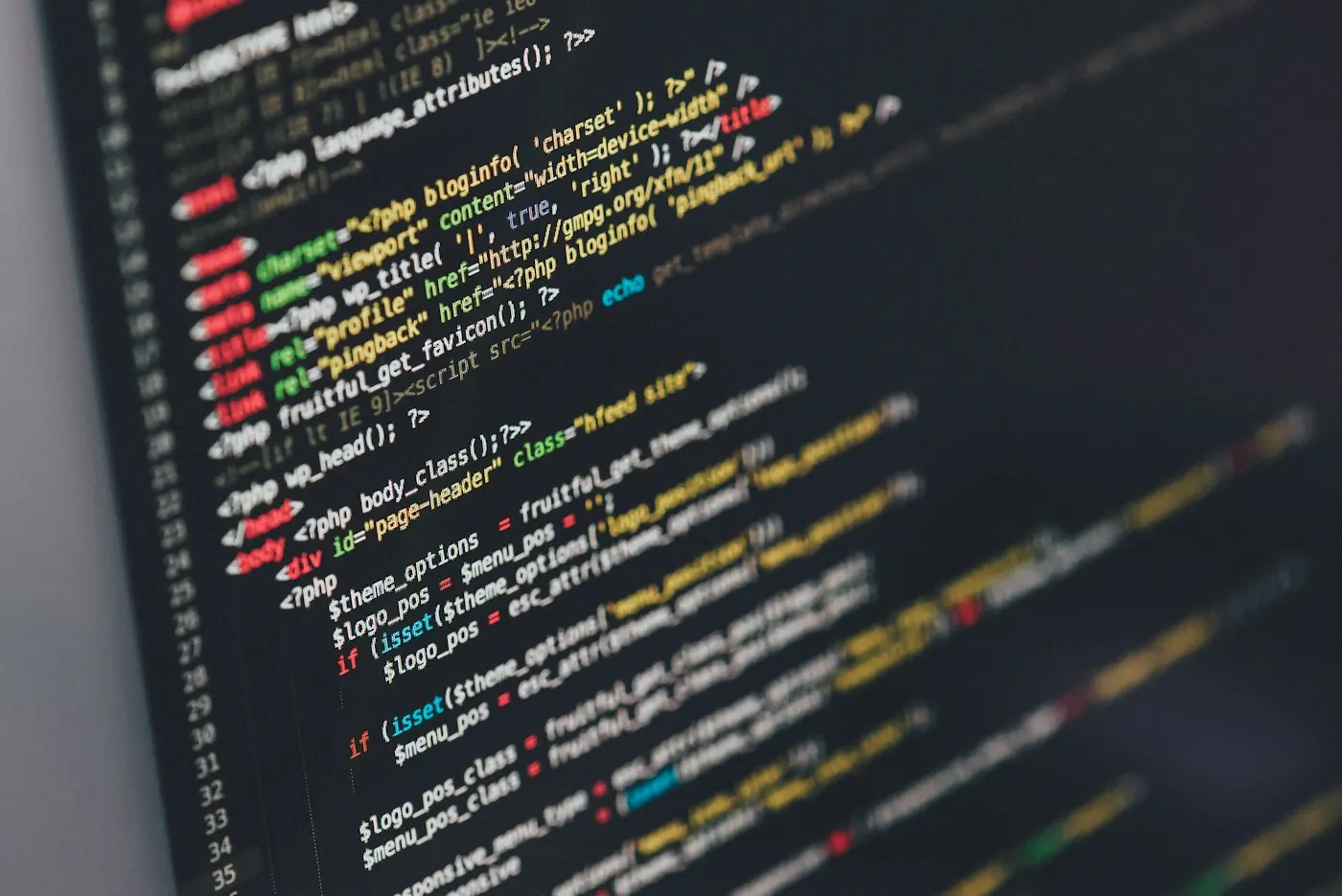
A prototype does not need to imitate every detail of the finished work. Its value comes from making an uncertainty concrete enough to explore before the full project is built.
Choose the question first. A rough arrangement may test whether the content has a clear order, while a clickable version may test whether an interaction is understandable. State which parts are placeholders so the feedback stays focused.
Keep the result of the experiment alongside the prototype. Record what it showed and what remains unknown. A successful prototype may lead to a revision or a narrower idea, rather than approval of every detail it happened to contain.
An example to consider.
A rough form can test whether a question makes sense before its polished visual treatment is ready. The prototype targets the uncertain relationship.
Put it in perspective.
A useful limitation creates a place to begin. Test whether the constraint helps a decision before allowing it to become a rule for every project.
- Name the question the prototype should answer.
- Make placeholders clear.
- Record what remains unknown after trying it.
Follow a related question
Review focus and busy states.
A button has more than one stateKeep a small current entry point.
A reading list with an entry pointKeep learning
Related background to continue exploring this subject.
Git: version control fundamentals W3C: accessibility, usability, and inclusion