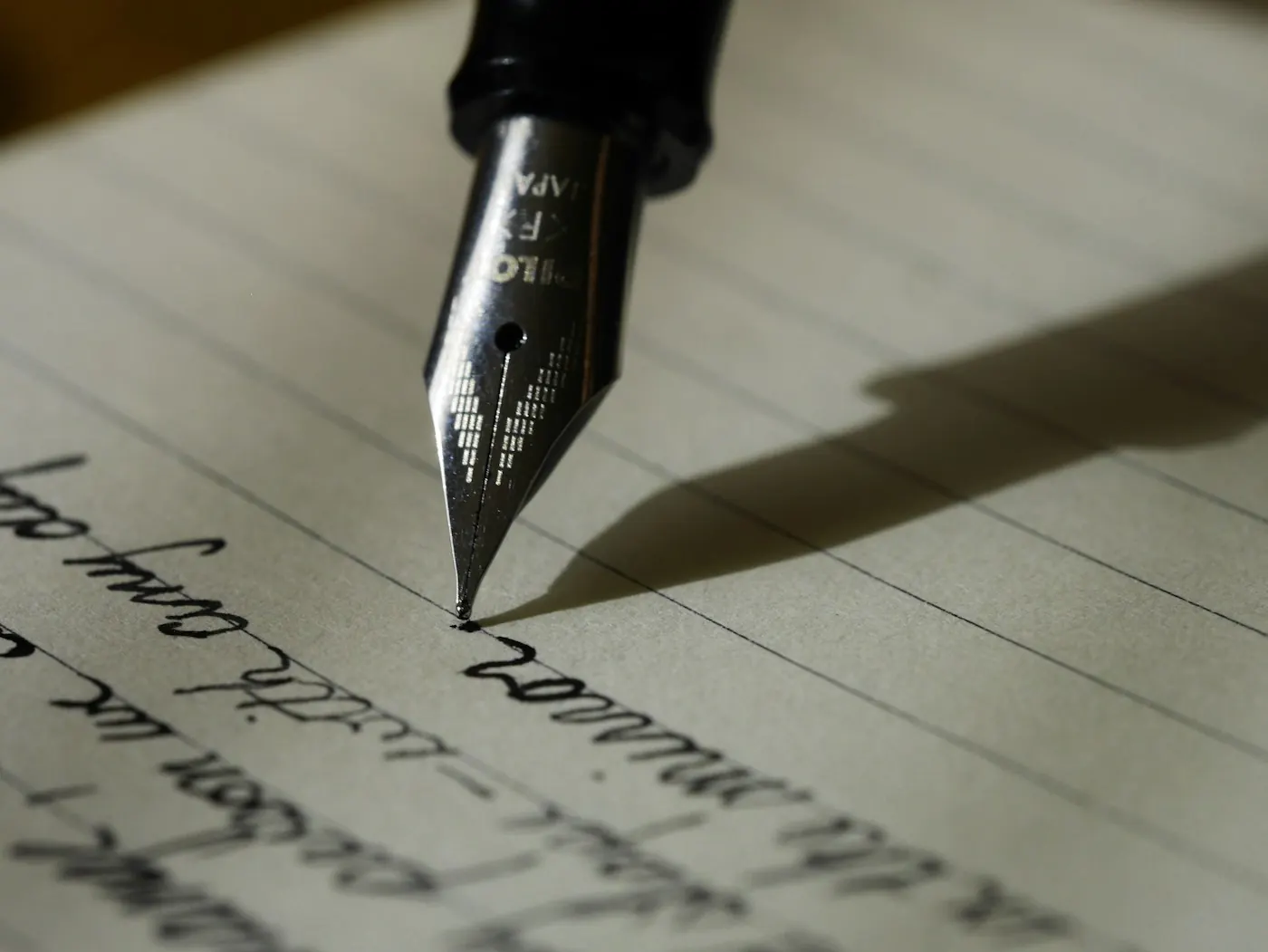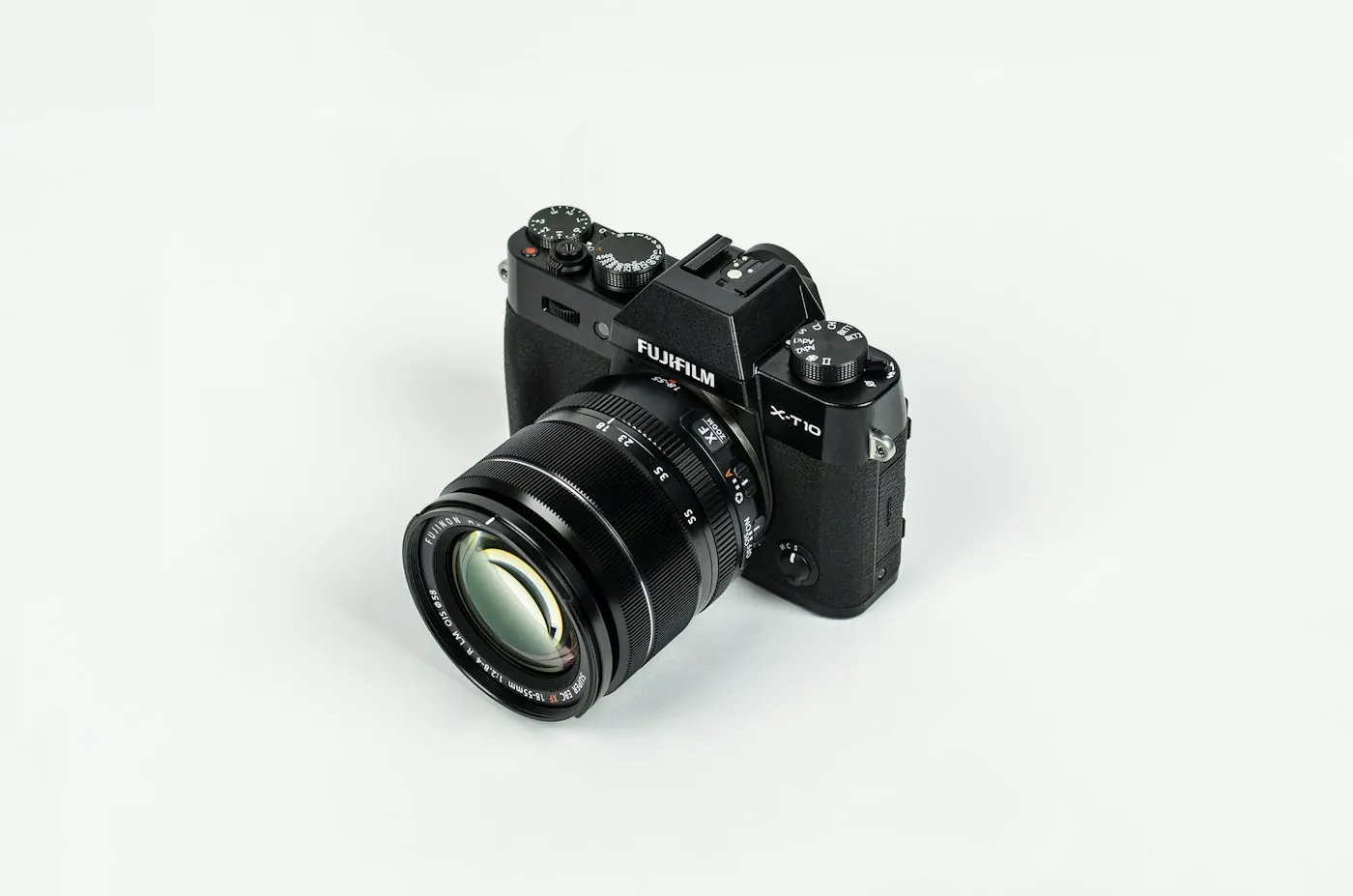
The same image can serve different purposes in different places. A photograph may establish a mood, identify an object, or provide information needed to understand the text.
Write the alternative description around that purpose. Include the essential information without narrating every visible detail. A purely decorative image may need an empty text alternative so it does not interrupt the reading experience.
Read the page with the description in place of the picture. Can the important point still be understood, and is anything needlessly repeated? The useful description belongs to the whole piece rather than to the image file alone.
- Identify what the image contributes here.
- Describe essential information.
- Review the description within the surrounding text.
An example to consider.
Consider a decorative texture beside an article. Its role may be atmosphere rather than information, which changes what a text alternative needs to do.
Put it in perspective.
A useful limitation creates a place to begin. Test whether the constraint helps a decision before allowing it to become a rule for every project.
Follow a related question
Keep a small current entry point.
A reading list with an entry pointGive each text level a role.
A type scale with a jobKeep learning
Related background to continue exploring this subject.
MDN: image file formats W3C: accessible image tutorials